



News ◦ 25—06—2025
SHARE

Greece at the forefront of the digital transition in agriculture: Proof that change can begin in the South

News ◦ 25—06—2025

It may have begun as a national initiative, but today the Digital Transformation of the Agricultural Sector project is increasingly recognized as an example of European significance. In May and June 2025, Greece participated in a series of key events across Europe, presenting not just a technological project, but a holistic proposal for the future of agriculture—one grounded in collaboration, data, and the everyday experience of the farmer.

From discussions on the resilience of European agriculture to specialized technical meetings on the implementation of the CAP, the Greek model was showcased as a realistic and applicable solution. The core message shared across all interventions was the same: digitalization is not merely a technological matter — it is a political choice. And when implemented with cooperation and planning, it delivers measurable results.

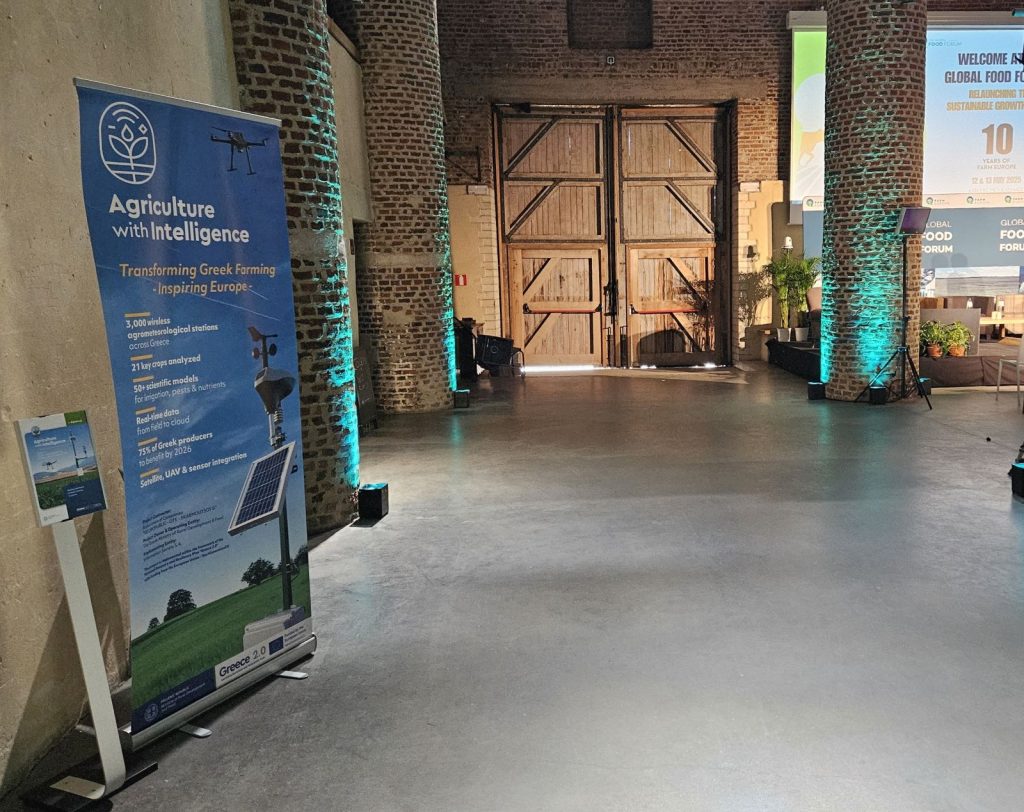
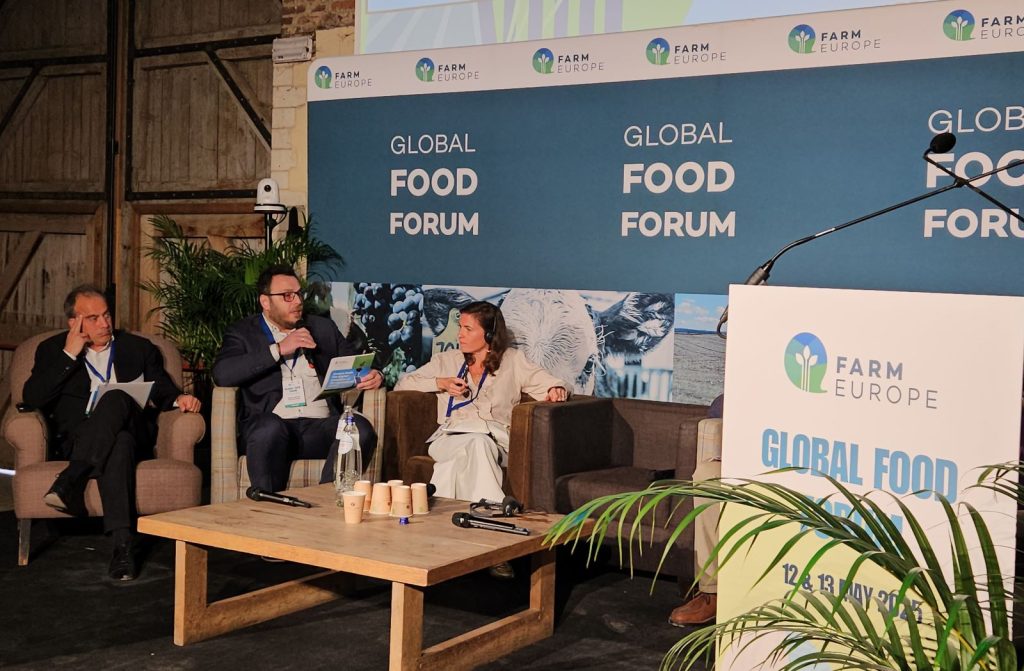
Global Food Forum – Farm Europe (12–13 May, Belgium)

Before a highly distinguished audience, including the EU Commissioner for Agriculture, political representatives of Member States, and numerous Members of the European Parliament, Greece made a substantial contribution. Anestis Trypitsidis, CEO of GAIA EPICHEIREIN, highlighted the Digital Transformation project as an example that bridges technology with policymaking.

His intervention focused on the role of digital data in strengthening farmers’ resilience and in providing them with targeted support through public funding, laying the groundwork for a new, fairer, and more effective orientation of the CAP.

Agrifood Pact for Skills (13–14 May, Brussels)

Within the framework of the conference on skills in the agri-food sector, the Greek contribution highlighted a frequently underestimated dimension of the digital transition: human capital.

Vassilis Pyrgiotis, Head of the Brussels Office of GAIA EPICHEIREIN, emphasized that the success of the project in Greece is based on the combination of technological infrastructure and skills development. The training of farmers and the active involvement of advisors are organically embedded in the system, serving as a core pillar of its operation rather than a parallel activity.
In this way, the Greek example emerged as a model for a more equitable and inclusive digitalization across Europe.

CAPIGI (12-14 May, Netherlands)

The international CAPIGI Conference is a key reference point for connecting agricultural policy with geoinformation technologies, agri-policy, and agritech, aiming to exchange experiences and best practices for implementing the Common Agricultural Policy (CAP) through Earth Observation data, artificial intelligence, and digital tools. Participants include representatives from EU institutions, national paying agencies, universities, research centers, and technology companies.

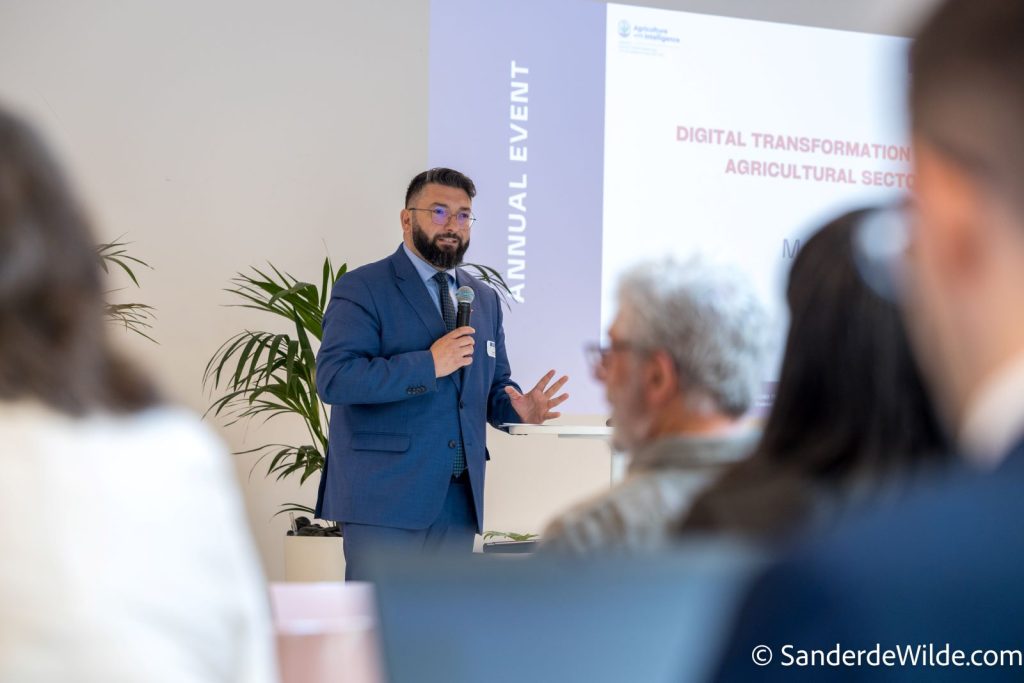
The technical presentation by NEUROPUBLIC’s Chief Technology Officer, Giorgos Mamais, focused on the project’s subsystems: the use of AI, geospatial technology, satellite data, and interoperability. Through practical examples, he demonstrated how the system supports evidence-based decision-making for both farmers and paying agencies. The Greek contribution stood out among major national geotechnical organizations, showing that the “small” can lead technologically.

Initiative of the Southern European Countries (14 May, Belgium & 11 June, Portugal)

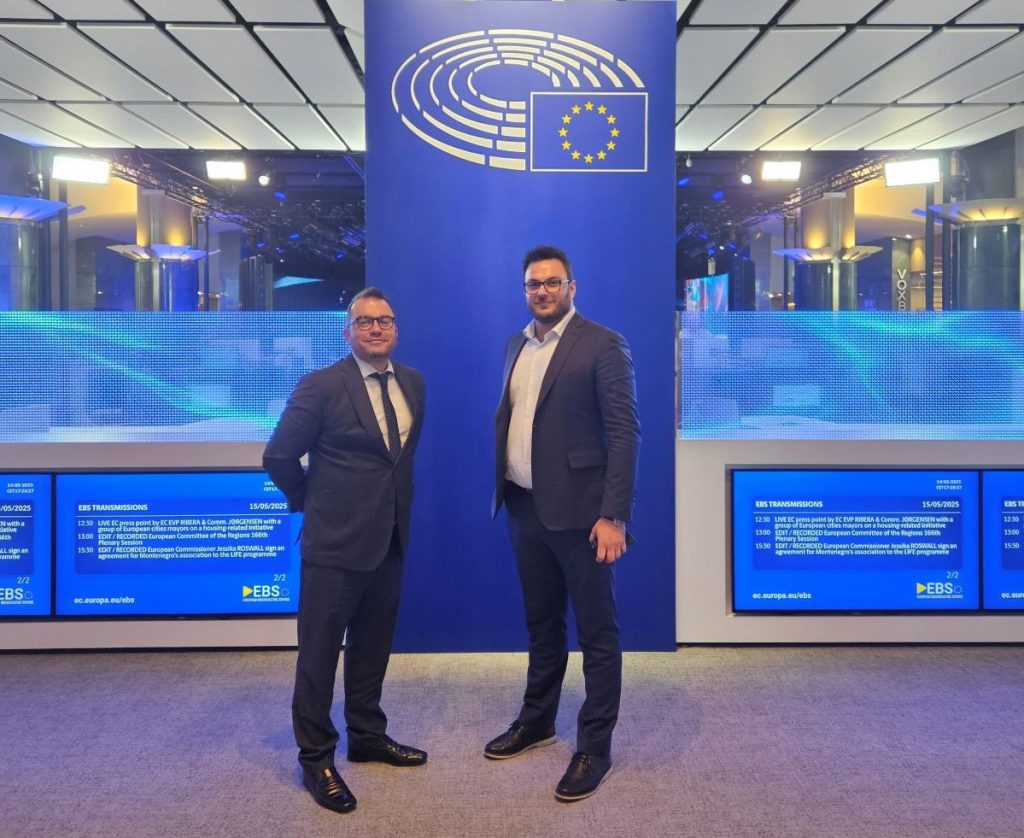
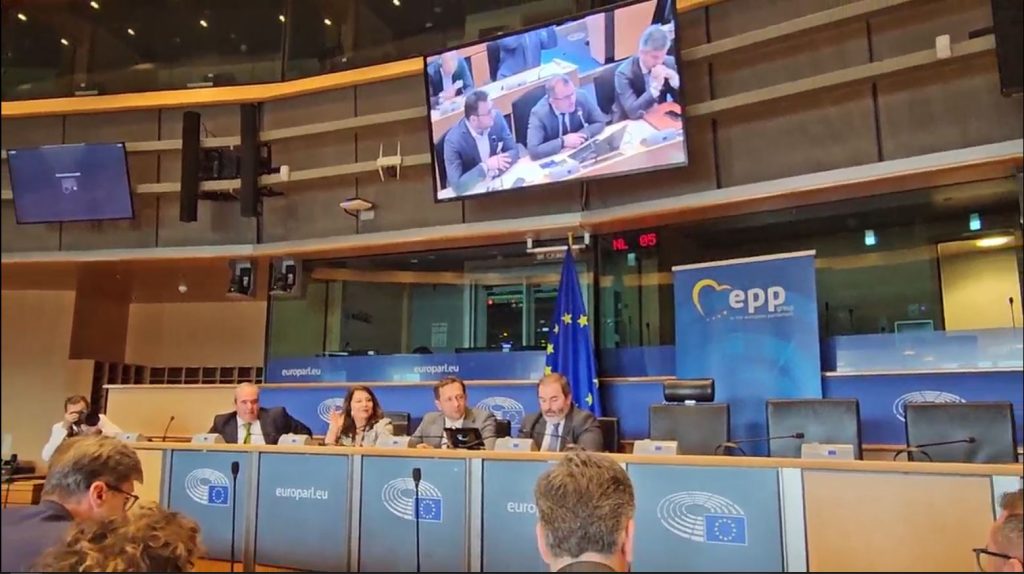
Greece participated actively in the effort to coordinate the Southern European countries (Greece, Italy, Spain, Portugal, France, and Croatia) in shaping common positions in response to the challenges of the new CAP.

At the first event, which took place at the European Parliament in Brussels, the CEO of GAIA EPICHEIREIN, Anestis Trypitsidis, emphasized the need to leverage digital tools not only for the technical implementation of policies but also for their redesign. He highlighted the Digital Transformation project as a tool for addressing climate change and for improving the targeting of subsidies, ensuring fair and sustainable support for the producers of the South.

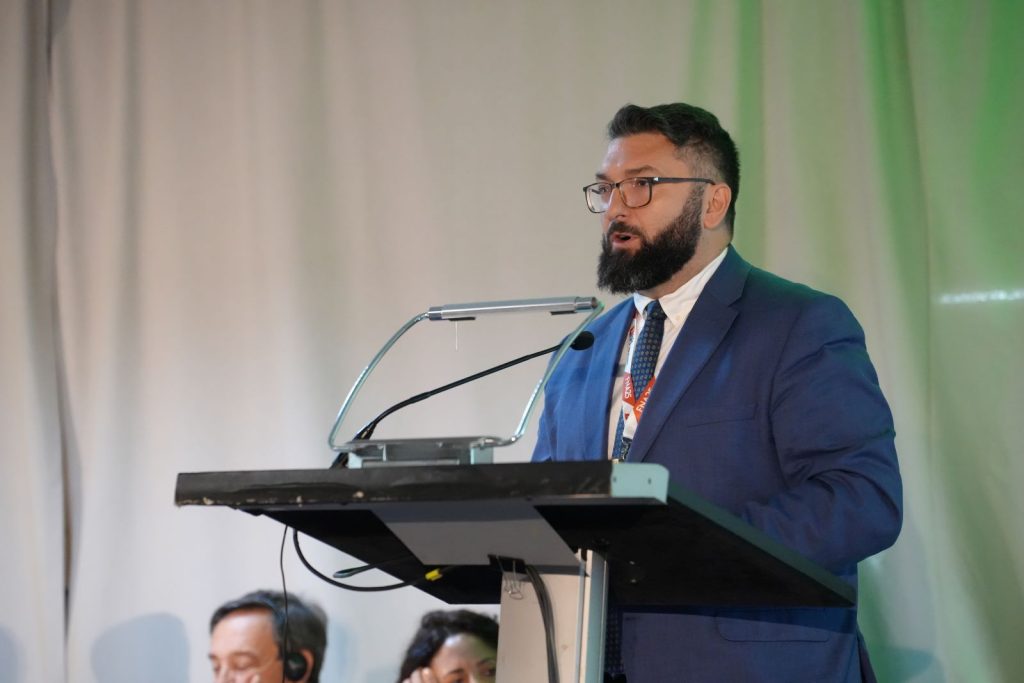
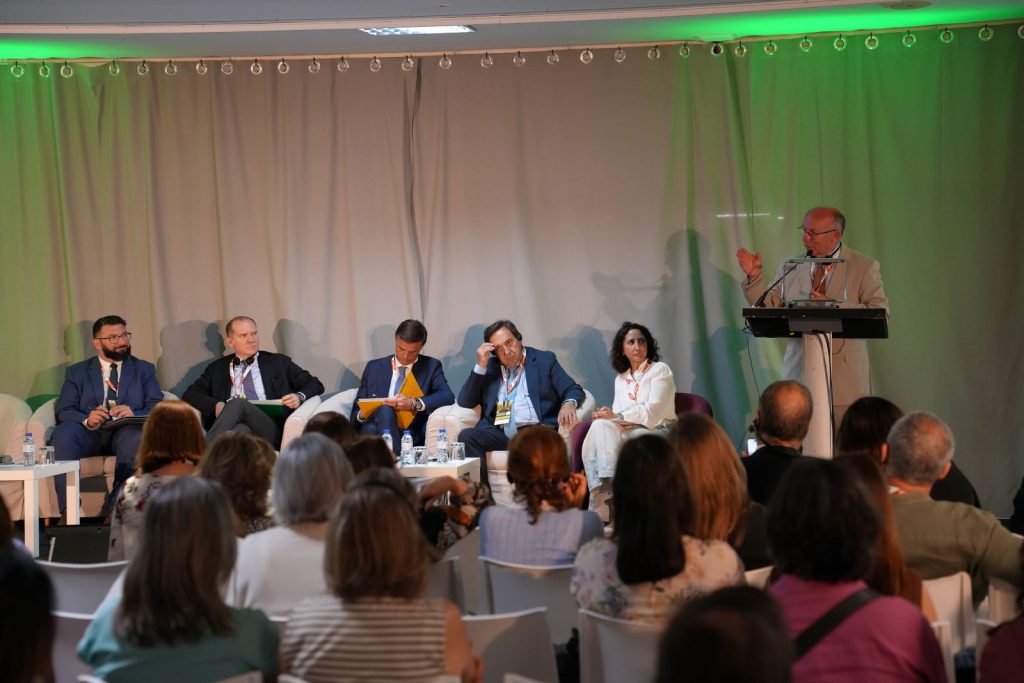
A few weeks later, at the second event held in Portugal as part of the Feira Nacional da Agricultura, Vassilis Pyrgiotis focused on the importance of collaboration as the foundation for any comprehensive digital intervention in the agricultural sector.

He emphasized that the Digital Transformation project in Greece did not emerge solely from technological innovation, but from close collaboration between technology solution providers, cooperatives, and institutions. This cooperation enabled the creation of a functional system that goes beyond data and platforms, extending into production, training, advisory services, and public administration—offering a practical model for how the digital transition can be organized in real-world terms.

COOPinCAP Event on Cooperation (19 June – Brussels)

As part of the co-funded COOPinCAP project, GAIA EPICHEIREIN organized a thematic event titled “The Power of Cooperation in the Future CAP: Myths, Facts, Best Practices”, attended by representatives of cooperatives, institutions, and technology organizations. The event went beyond its social dimension—it served as a substantial forum for discussing cooperation as a driving force for sustainable agriculture.

The contributions of Anestis Trypitsidis and Vassilis Pyrgiotis highlighted how the Greek experience shows that digitalization is not the result of technological momentum alone, but of collective effort. The success of the “Smart Farming” project would not have been possible without cooperation among cooperatives, providers, agronomists, and institutions. The central message of the evening was clear: cooperation is not a buzzword—it is a fundamental requirement for a functional CAP, effective policies, and fair solutions for Europe’s farmers.

A model with pan-European potential

Greece’s participation in the five events highlighted more than just a technological project. It was an opportunity to present a different vision for the agriculture of tomorrow: one built on cooperation, centered on the farmer, and designed to support policymaking with real data.

What stood out across all these events was that this example was not perceived as an internal, national matter, but was recognized as a mature and operational solution with potential for broader adoption. Its relevance becomes even more evident considering the current context: Europe is seeking new directions for the CAP, and the needs for fair support, evidence-based decision-making, and digital tools are more pressing than ever.

The Greek experience demonstrates in practice how the digital transition can be organized in a realistic, participatory, and politically meaningful way. And it proves that change does not need to begin at the center—it can begin in the South and extend across all of Europe.